
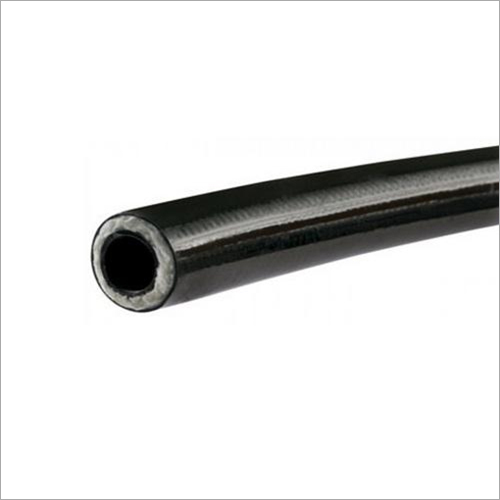
Thermoplastic Pipe
45.00 INR/Piece
Product Details:
- Connectivity Type Socket Weld, Threaded, or Flanged
- Temperature Range 0°C to 60°C
- Accessories End Caps, Elbows, Tees, Couplers
- Efficiency High Hydraulic Efficiency
- Sealing Type Solvent Weld or Mechanical Coupling
- Operating Pressure Up to 10 Bar
- Features Corrosion Resistant, Lightweight, Smooth Interior Surface, Non-Conductive
- Click to View more
X
Thermoplastic Pipe Price And Quantity
- 5 Piece
- 45.00 INR/Piece
Thermoplastic Pipe Product Specifications
- Variable (Dependent on Diameter)
- Water Supply, Irrigation, Chemical Transportation, Drainage
- 0°C to 60°C
- Socket Weld, Threaded, or Flanged
- End Caps, Elbows, Tees, Couplers
- High Hydraulic Efficiency
- Up to 10 Bar
- Solvent Weld or Mechanical Coupling
- Thermoplastic (Polyvinyl Chloride - PVC)
- Single Layer Cylindrical
- Surface or Underground
- Corrosion Resistant, Lightweight, Smooth Interior Surface, Non-Conductive
- Rigid Pipe
- White or Grey
- Available from 20mm to 315mm
- Moderate; suitable for indoor/outdoor use
- Excellent to Acids and Alkalis
- 1.4 g/cm³ (approx.)
- Solvent Cement or Rubber Ring Joint
- IS 4985, ASTM D1785
- Over 25 Years Under Normal Conditions
- Upto 28 Bar (for selected grades)
- Smooth, Low Friction Loss
- Standard 6 Meter Lengths
Product Description
We are providing our esteemed clients a wide range of Thermoplast Pipe, which finds applications such as gravity-flow storm drainage, gravity flow sanitary sewer, potable and non-potable water service. Thermoplast Pipe is checked on various parameters before the final dispatch. Manufactured using polypropylene and polyethylene polymers, we provide this pipe in various specifications, in order to meet varied needs of our clients.
Engineered for Versatility and Performance
Thermoplastic pipes offer superb flexibility for diverse applications, handling water, chemicals, and drainage with ease. Their moderate UV resistance allows for both indoor and outdoor use, while superior hydraulic efficiency lowers operational costs. The strong, single-layer PVC structure guarantees safety and reliability, making them ideal for municipal, industrial, and agricultural needs.
Quick and Reliable Installation
Designed for efficient assembly, these pipes utilize solvent cement or rubber ring joint methods, ensuring secure, leak-proof connections. Their lightweight construction aids in easy transportation and rapid site installation, whether for surface or underground work. Multiple connectivity options like socket weld, threaded, or flanged provide flexibility for any project requirement.
Long-Lasting Solution for Demanding Environments
With excellent resistance to acids, alkalis, and corrosion, these thermoplastic pipes provide more than 25 years of reliable service under normal conditions. The smooth interior surface minimizes friction loss, maintaining optimal flow rates based on the chosen diameter. Rigid yet non-conductive, these pipes contribute to safe and sustainable installations in varied environments.
FAQs of Thermoplastic Pipe:
Q: How do you install a thermoplastic PVC pipe?
A: Thermoplastic PVC pipes can be installed using solvent cement for a permanent bond or with rubber ring joints for easier disassembly. Both methods ensure tight, leak-free connections, suitable for above-ground or underground installations.Q: What are the main benefits of using these pipes for water supply and chemical transportation?
A: These pipes offer excellent chemical resistance to acids and alkalis, a smooth interior for low friction and high hydraulic efficiency, and proven durability with a lifespan exceeding 25 years. They are lightweight and resistant to corrosion, making them ideal for water and chemical applications.Q: When is it appropriate to use these pipes outdoors?
A: Thermoplastic pipes with moderate UV resistance are suitable for both indoor and outdoor environments. However, for long-term outdoor exposure, additional shading or protective coatings are recommended to maximize their lifespan.Q: Where can these pipes be mounted or installed?
A: They can be mounted on surfaces or buried underground, depending on project requirements. Their robust single-layer structure allows installation in a wide range of environments, from residential plumbing to agricultural irrigation and industrial waste management.Q: What process ensures reliable sealing of the pipe joints?
A: Reliable sealing is achieved through either solvent welding (using solvent cement) or mechanical couplings such as rubber ring joints. Both options provide watertight seals, suitable for high-pressure or standard flow systems.Q: Which accessories are available for these pipes to enhance connectivity and system customization?
A: A variety of end caps, elbows, tees, and couplers are available, supporting different connection needs with socket weld, threaded, or flanged interfaces for greater installation flexibility.Q: What is the temperature and pressure range for safe operation of these pipes?
A: These pipes operate efficiently within a temperature range of 0C to 60C and can handle pressures up to 10 bar in standard grades, with certain grades supporting burst pressures up to 28 bar.Tell us about your requirement

Price:
Quantity
Select Unit
- 50
- 100
- 200
- 250
- 500
- 1000+
Additional detail
Mobile number
Email

Other Products in 'Hydraulic Hose' category

Contact Details

- Plot No. 39, Sector 20, Om Arcade Ground Floor, Opp. Turbhe, Vashi, Navi Mumbai - 400705, Maharashtra, India
- Phone : 08045478005
SUPER HYDRO PNEUMATIC
GST : 27AACPS6050N1ZA

- Ms. Girish Shah (Proprietor)
- Mobile : 08045478005
-
 Send Inquiry
 Send Inquiry
 Send Inquiry
 Send SMS
SUPER HYDRO PNEUMATIC
All Rights Reserved.(Terms of Use)
Developed and Managed by Infocom Network Private Limited.
Developed and Managed by Infocom Network Private Limited.


